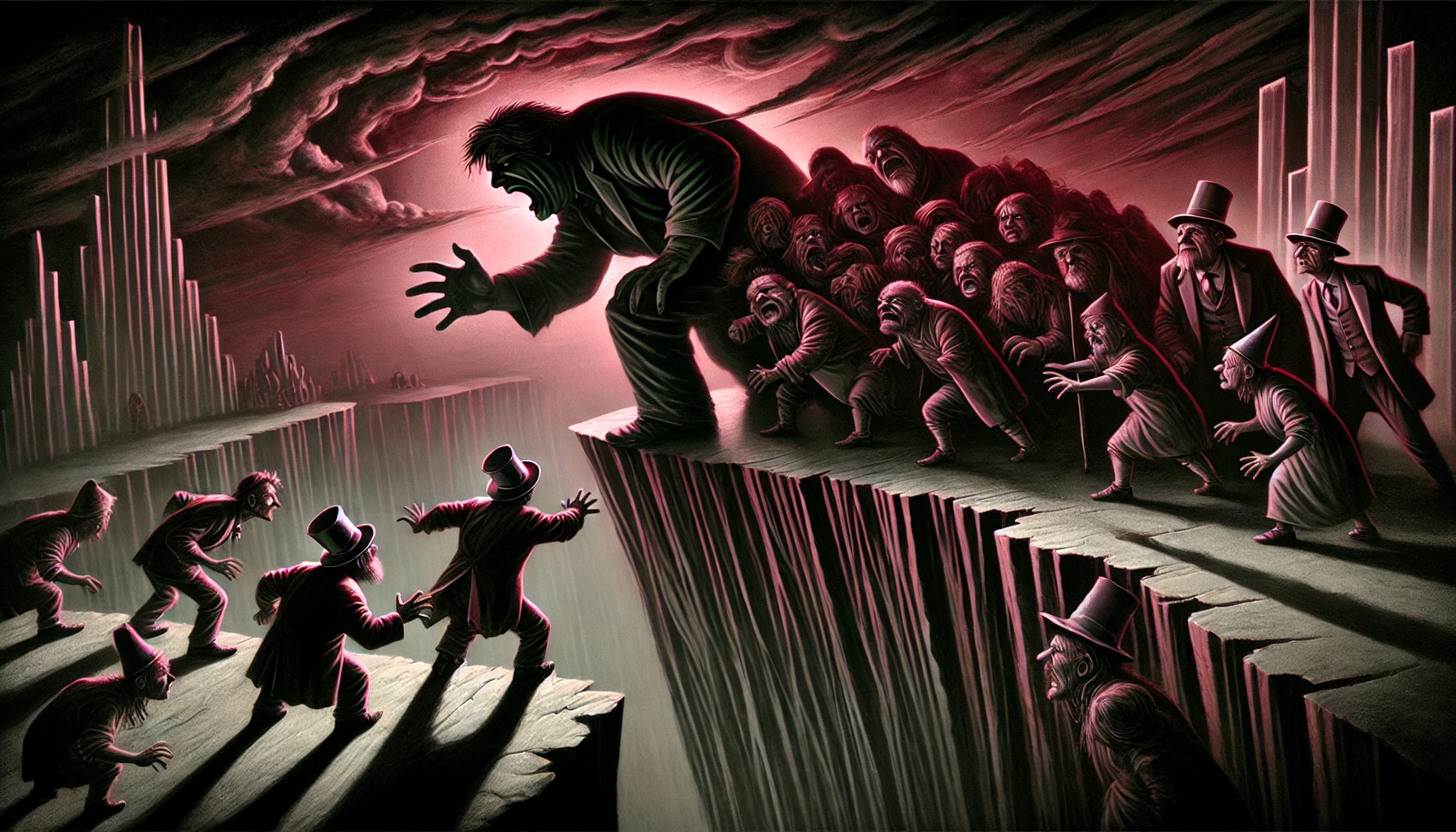
Disruption. Pivot. Realignment. Reorganization. Transformation. Sound familiar?
Organizations love to talk about change, often cloaking it in buzzwords that give the impression of forward momentum. But, in truth, leaders often avoid meaningful change until they’re forced to act. It’s almost as if organizations are allergic to change.
Why’s it so hard for these organizations to switch things up? Turns out, their resistance isn’t just institutional inertia; it’s a mix of psychology, habit, and good old-fashioned stubbornness. Here’s why they cling to the familiar, and what finally pries them loose.
1. “We’ve Always Done It This Way” Syndrome
If there’s one mantra organizations live by, it’s “Why fix what ain’t broke? Neurologically, our brains love routine—it’s efficient and keeps things running smoothly. Organizations, being collections of people, operate the same way. Changing entrenched processes is like rerouting a river: it takes time, effort, and nobody’s thrilled to do it unless absolutely necessary.
Organizations across sectors are built to prioritize stability over innovation—until a crisis makes change unavoidable. Consider how the rise of fintech forced traditional banks to embrace digital solutions to meet new expectations for speed, simplicity, and transparency. Banks that resisted risked losing customers to more agile competitors. Even the most change-averse organization will innovate when standing still becomes riskier than moving forward.
2. Fear of the Great Unknown
Let’s be candid—organizations, like people, fear the unknown. Changing a familiar process means taking a risk, and in organizations, risk equals scrutiny. The term for this is “ambiguity aversion,” which basically means most people (and most institutions) would rather stick to what they know than roll the dice on something new.
For years, many industries were hesitant to embrace digital solutions despite the potential to reach broader audiences. Take the publishing industry, for example: it could have leaned into e-books and digital subscriptions far earlier, but many companies clung to traditional print formats. Change only became an option when consumer demand shifted dramatically, pushing them toward digital adaptation. Even industry giants need a hard nudge to leave their comfort zones.
3. Loss Aversion – The Fear of Losing What We Have
Loss aversion is a psychological bias that says we feel the pain of loss more than we feel the thrill of gain. For organizations, this translates into clinging to their current resources, processes, or reputations even when they’d clearly benefit from a change. For instance, companies often resist investing in automation, even with data showing long-term savings, because reallocating budgets away from existing processes feels like a risky loss.
Even with data showing that a digital upgrades could save money long-term, organizations fear reallocating funds away from existing operations. Yet, once a recession or crisis hits, the same budget that seemed locked up tight suddenly has room for change. Loss aversion keeps organizations stuck—until the cost of doing nothing becomes too high.
4. Social Pressure – “What Will People Think?”
Finally, there’s the power of social expectations. Governments worry about voter backlash, nonprofits fret about donor loyalty, and businesses don’t want to spook customers. Institutions are often more concerned with managing external perceptions than pursuing necessary changes, especially when a shift risks public criticism or controversy.
A prime example is the postal service, which saw declining demand for traditional mail but hesitated to pivot fully to digital solutions because the public still expected physical delivery. Only when competition from private couriers intensified and mail volume dropped significantly did they seriously consider expanding digital services. Sometimes, it takes outside pressure to remind an organization that external expectations can—and must—evolve.
What Finally Breaks the Resistance?
What finally nudges these players out of their comfort zones? A crisis. When resources dry up, competition heats up, or public pressure mounts, organizations realize they can’t keep the status quo. Whether it’s Kodak’s digital reckoning, banks’ rush to go online, or postal services’ pivot to the digital age, big changes usually only happen when staying put becomes a bigger risk than moving forward.
In the end, change is often slow, painful, and resisted at every turn. However, when push comes to shove, even the most stubborn organizations will adapt. So next time you’re frustrated by institutional inertia, remember: they’ll come around—when they’ve exhausted every reason not to. Then, the question is, “How can we help them get there sooner?”



Leave a Reply